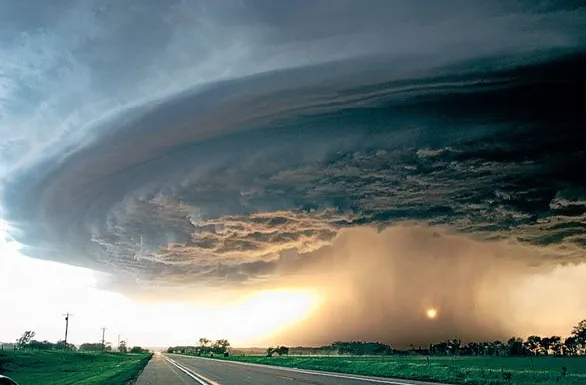
Storm chasing demands more than a fast car and a weather map. Good planning can lower risk while keeping the trip useful and exciting. For storm chasing tours USA 2027, hazard control should start well before the first forecast is checked. Tour teams need clear routes, trained guides, safe vehicles, weather alerts, and backup plans. Conditions can shift within minutes, especially near strong storms. A sound safety plan also helps guests know what to do when weather turns rough. Small steps matter. Together, they can prevent serious problems during a chase.
Know The Main Storm Risks
Strong storms can bring several hazards at once. Tornadoes may form with little warning, while hail, lightning, flooding, and strong winds can affect roads far from the storm core. Tour leaders should track each threat, not just tornado activity. Road safety matters too. Wet roads can cut braking distance, and debris may block a route without notice. Night travel adds another layer of risk. A good chase plan checks storm strength, road access, fuel stops, and safe shelter points. These simple checks help the group stay ready when conditions change fast.
Build A Clear Safety Plan
A strong safety plan should be simple enough for every guest to follow. Before departure, guides can explain warning signals, meeting points, vehicle rules, and shelter steps. The group should also know when the chase ends. That choice must never depend on getting a closer view. For stormchasing 2028 Wichita Kansas, local road patterns and shelter options should be reviewed early. Wichita can also serve as a useful base for wider Plains routes. Clear rules reduce delay when action is needed, which is vital when storms move at speed.
Use Better Weather Tracking Tools
Modern weather tools can give chase teams a wider view of changing conditions. Radar helps show storm shape, motion, and growth. Satellite images add useful cloud and heat data. Lightning maps can reveal active areas before storms reach a planned route. Still, tools should support human judgment, not replace it. A trained guide can compare several data sources and spot changes that a single app may miss. Tour teams should keep more than one communication method ready. Mobile service can fail in rural areas, especially during severe weather.
Plan Routes with Escape Options
A safe route needs more than one way out. Roads may close because of flooding, hail, wrecks, or fallen trees. Tour leaders should mark alternate routes before entering an active storm area. They should also avoid narrow roads, low bridges, and places with poor visibility when severe weather is nearby. Fuel planning matters as well. A vehicle with little fuel has fewer safe choices. During storm chasing tours USA 2027, route reviews should happen often, not just at the start. A changing storm can turn a good route into a poor one quickly.
Prepare Guests for Sudden Changes
Guests play a key role in group safety. A short briefing can explain warning sounds, safe seating, vehicle spacing, and emergency contact steps. People should know that plans may change without notice. That is normal during severe weather travel. Guides can also ask guests to keep phones charged and carry needed personal items. Staying inside vehicles is often safer than standing outside near active storms, but the correct action depends on the hazard and official guidance. During stormchasing 2028 Wichita Kansas trips, guest training can make a major difference when weather shifts suddenly.
Review Each Chase Afterward
Hazard control improves when teams learn from every trip. After a chase, guides should review route choices, warning times, traffic issues, guest concerns, and near misses. Weather data can help show where forecasts matched real conditions and where they did not. Vehicle checks should follow too, especially after long rural drives. These reviews create useful lessons for future tours. Safety plans should then be updated, rather than stored and forgotten. A small change, such as adding a shelter point or moving a fuel stop, may improve the next chase.
Conclusion
Safe storm travel starts with respect for changing weather. The best tours do not chase danger simply to get closer to a storm. They use good forecasts, skilled guides, safe routes, clear rules, and firm limits. Future trips can benefit from lessons learned across each season. Visitors should also understand that no chase can remove every weather risk. The goal is to manage risk wisely while still offering a useful experience. Stormchasing.com can support that approach by keeping safety, planning, and responsible storm observation at the center of every tour.