Cats may look calm and confident on the outside, but many experience stress more often than we realize. Changes in routine, unfamiliar visitors, loud noises, travel, or even subtle environmental shifts can trigger anxiety. Unlike dogs, cats tend to internalize stress, making it harder for pet parents to recognize when something is wrong.
Stress in cats doesn’t just affect behavior, it can impact appetite, digestion, grooming habits, and overall health. That’s where calming solutions come into play. When used correctly, they can support emotional balance and help cats feel secure in their surroundings.
This guide explores why cats become stressed, how calming solutions work, and how to choose the right option based on your cat’s personality and lifestyle.
Understanding Stress and Anxiety in Cats
Cats are creatures of habit. They rely heavily on familiar scents, predictable routines, and stable environments. When these elements change, even slightly, it can create emotional discomfort.
Common Causes of Stress in Cats
Some of the most common triggers include:
- Moving to a new home.
- Introducing a new pet or family member.
- Loud noises such as fireworks or construction.
- Vet visits or travel.
- Changes in feeding schedules.
- Rearranged furniture or new scents.
While occasional stress is normal, chronic anxiety can lead to long-term behavioral and health issues if left unaddressed.
Signs Your Cat May Be Feeling Anxious
Cats express stress differently than humans or dogs. Instead of obvious panic, the signs are often subtle.
Watch for:
- Hiding more than usual.
- Excessive grooming or hair loss.
- Reduced appetite.
- Aggression or irritability.
- Inappropriate scratching or spraying.
- Changes in sleep patterns.
Recognizing these signals early allows you to support your cat before stress escalates.
How Calming Solutions Help Cats
Calming solutions work by targeting the nervous system or emotional responses associated with stress. Some rely on scent-based comfort, while others use nutritional or behavioral support to promote relaxation.
The goal isn’t sedation. A good calming approach should help your cat feel more confident and at ease while still allowing normal play, curiosity, and interaction.
Types of Cat Calming Products Available
There’s no one-size-fits-all solution. Different cats respond better to different approaches.
Pheromone-Based Solutions
Cats communicate heavily through scent. Synthetic pheromones mimic natural calming signals, helping cats feel safe in their environment. These are often used in diffusers or sprays and are especially helpful during environmental changes.
Supplements and Chews
Calming supplements often include ingredients like L-theanine, chamomile, or tryptophan. These compounds support relaxation without causing drowsiness when used as directed.
Some cats respond well to edible options, particularly when stress is situational rather than constant.
Wearable Comfort Items
Calming collars or wraps apply gentle pressure or release soothing scents over time. These can be helpful for cats that roam the home freely and need consistent support.
Environmental Enrichment
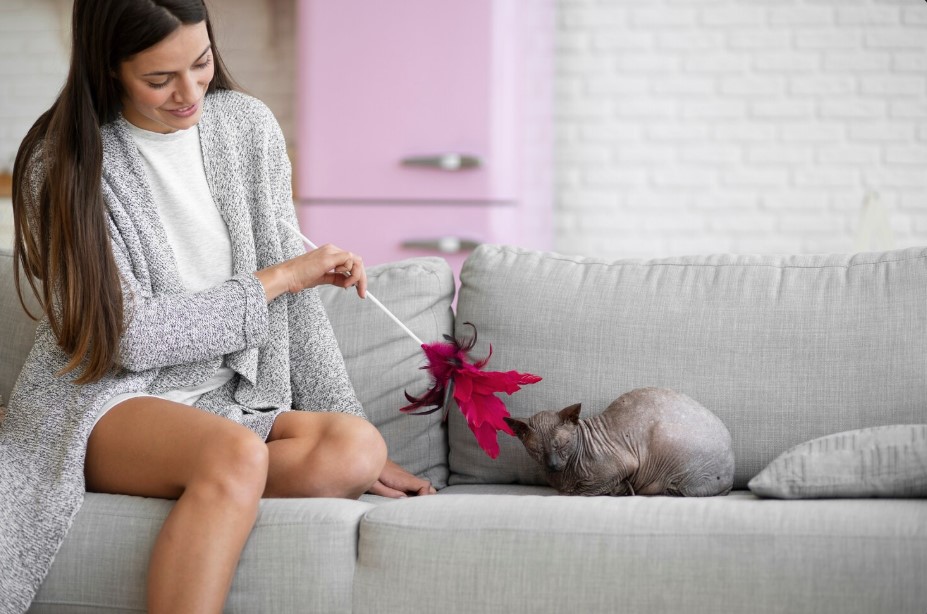
Sometimes, stress relief comes from improving the environment rather than adding a product. Vertical spaces, hiding spots, scratching posts, and interactive toys all contribute to emotional stability.
Choosing the Right Calming Option for Your Cat
Selecting the right solution depends on several factors.
Your Cat’s Personality
A shy or timid cat may benefit more from environmental support and scent-based comfort. A high-energy or easily overstimulated cat may respond better to supplements or structured routines.
Duration of Stress
Short-term stress, like a vet visit, may only require temporary support. Ongoing anxiety from multi-cat households or frequent disruptions may need longer-term solutions.
Ease of Use
Some cats refuse chews or resist collars. Always choose an option that fits your cat’s tolerance level to avoid adding more stress.
The Role of Diet in Emotional Well-Being
Nutrition plays a surprisingly important role in emotional balance. A well-fed cat with consistent mealtimes often feels more secure and predictable in their environment.
Certain snacks are formulated to support calm behavior while also contributing to daily nutrition. When chosen wisely, the healthiest cat treats for indoor cats can reinforce positive behavior without compromising overall health.
Treats should always be given in moderation and as part of a balanced routine.
Creating a Calm Home Environment
Products work best when paired with thoughtful environmental management.
Establish Predictable Routines
Feeding, playtime, and rest should occur around the same times each day. Predictability helps cats feel in control of their surroundings.
Provide Safe Spaces
Every cat needs a quiet place to retreat. Covered beds, shelves, or even cardboard boxes can serve as emotional safe zones.
Limit Overstimulation
Too much noise, constant handling, or lack of rest can heighten stress. Balance interaction with quiet time.
Multi-Cat Households and Stress
Homes with multiple cats often face unique challenges. Competition for resources, territory disputes, and mismatched personalities can lead to ongoing tension.
Ensure each cat has access to:
- Separate feeding areas
- Multiple litter boxes
- Individual resting spaces
In these settings, cat calming products are often most effective when combined with proper resource distribution and slow introductions.
When to Seek Veterinary Advice
If stress-related behaviors persist despite changes and calming support, it may be time to consult a veterinarian. Medical issues such as pain, digestive discomfort, or hormonal imbalances can sometimes mimic anxiety.
A professional can help rule out underlying causes and recommend tailored solutions.
Long-Term Benefits of Stress Management
Supporting emotional wellness doesn’t just improve behavior, it enhances overall quality of life. Calm cats are more playful, social, and resilient. They’re also less likely to develop stress-related health issues such as urinary problems or digestive upset.
Consistency is key. Over time, small supportive actions create a more stable and confident feline companion.
Finding the Best Fit for Your Cat
Choosing the best cat calming products isn’t about trends or popularity. It’s about understanding your cat’s unique needs and responding with patience and empathy.
Some cats respond quickly, while others need time to adjust. Monitor changes carefully and adapt your approach as needed.
Final Thoughts
Stress is an unavoidable part of life, even for cats. The good news is that with the right approach, it can be managed effectively. By understanding your cat’s triggers and providing thoughtful support, you create an environment where they can thrive emotionally and physically.
Whether your cat struggles with occasional nervousness or ongoing anxiety, calm starts with awareness, consistency, and care. When emotional needs are met, everything else, from playtime to bonding, becomes easier and more rewarding.
FAQs
1. How long do calming solutions take to work for cats?
Some cats show improvement within days, while others may need a few weeks of consistent use to respond fully.
2. Can calming solutions make my cat sleepy?
Most are designed to promote relaxation without sedation. If your cat seems overly drowsy, consult a veterinarian.
3. Are calming supplements safe for daily use?
Many are formulated for regular use, but it’s best to follow instructions and seek professional advice for long-term use.
4. Can treats really help with stress?
Yes, when used correctly, treats designed for relaxation can reinforce calm behavior and create positive associations.
5. Should I use more than one calming method at a time?
Sometimes combining environmental changes with one calming approach works best, but avoid overwhelming your cat with too many changes at once.