You turn on the tap expecting clean, neutral water—but instead, you’re greeted by a metallic tang, a faint chlorine smell, or a musty aftertaste. In Singapore, where the water supply meets strict safety standards, many are surprised when their tap water still tastes unpleasant. A homeowner once recalled avoiding her kitchen tap for weeks until a plumber traced the issue back to ageing pipes—not the public supply. It’s a reminder that taste issues often start at home, not upstream.
Here are six reasons your tap water might taste or smell off—and how to fix it using practical tools like an undersink water filter in Singapore and accurate water testing equipment.
1. Chlorine Disinfectant Residue
Singapore’s tap water is chlorinated to prevent bacterial contamination, but trace amounts of chlorine can linger by the time it reaches your tap. It leads to a chemical or swimming pool-like taste, especially if the water has been sitting in pipes for hours.
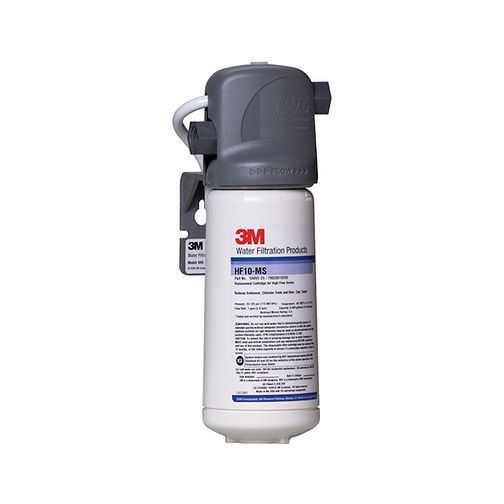
Installing an undersink water filter in Singapore with activated carbon technology helps remove chlorine and similar compounds before the water reaches your glass. It’s one of the fastest ways to restore clean, neutral-tasting water.
2. Metallic Taste from Pipe Corrosion
If you live in an older building, ageing galvanised or copper pipes may be leaching small amounts of metal into your water. It creates a metallic or rusty flavour, when water hasn’t been used overnight.
To identify the source, use water testing equipment to detect elevated levels of iron, copper, or zinc. If the problem is confirmed, consider pipe replacement or a filtration system designed to handle heavy metal removal.
3. Mould or Biofilm in Fixtures
A musty, earthy taste can indicate mould growth in tap aerators, filters, or stagnant plumbing sections. Even a clean-looking tap can harbour biofilm if not flushed or cleaned regularly.
Cleaning aerators and installing a point-of-use water filter reduces the chance of bacteria entering your drinking water. A brief flush before the first-morning use also clears out water that’s been stagnant overnight.
4. Plastic Taste from New Fixtures
Just installed a new kitchen tap or hose? That plastic-like flavour might not be your imagination. New plumbing fixtures sometimes leach small amounts of polymer residue, which can temporarily affect taste.
Rinsing the system thoroughly helps, but if the taste persists, an undersink water filter with multi-stage filtration can remove synthetic traces effectively. Look for units certified for chemical absorption to maximise results.
5. Poorly Maintained Filters
Ironically, the filter meant to improve your water might be causing taste issues if it’s overdue for a change. Old filters become clogged or saturated, leading to slower flow and altered taste. One family noticed a bitter flavour in their filtered water—until they realised the cartridge hadn’t been replaced in over a year.
Always follow the manufacturer’s timeline for replacing filter cartridges. If you’ve inherited a system with the property, test the water and start with a fresh replacement to establish a clean baseline.
6. Mineral Imbalance or Hard Water
While not harmful, excess calcium or magnesium can cause water to taste “flat” or chalky. It is especially noticeable when boiling water for coffee or tea. Though Singapore’s water is relatively soft, localised issues can still occur depending on building infrastructure or water heater conditions.
A water testing kit can confirm mineral content. If levels are high, consider a multi-stage filtration unit with a specific cartridge for hardness reduction. These filters enhance flavour and protect appliances from scale build-up.
Conclusion
Strange-tasting tap water isn’t always a sign of contamination—it’s often the result of local plumbing, residue, or outdated filtration. By using reliable water testing equipment and installing an undersink water filter in Singapore, you can take control of your home water quality. These tools help identify the source of the issue and provide clean, refreshing water straight from the tap—without second-guessing what’s in your glass.
Start drinking with confidence—contact Ansac Technology for tested solutions in-home water filtration and professional-grade water testing equipment.